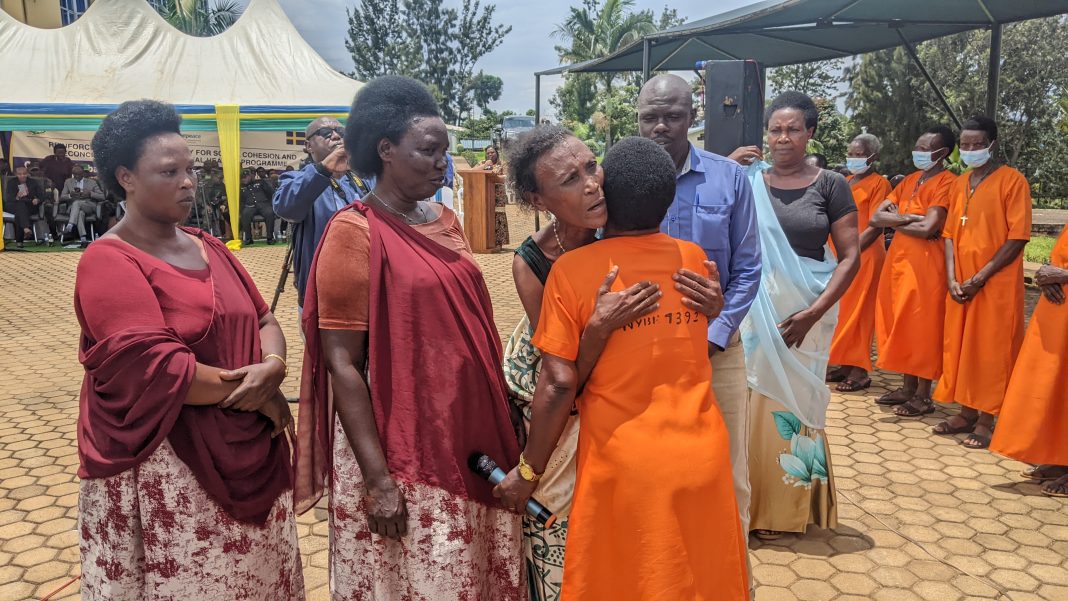
Survivors of 1994 Genocide against the Tutsi in Nyamasheke district have welcomed perpetrators who are seeking forgiveness through Societal Healing groups as part of preparing for their reintegration into society.
The Societal Healing through groups, loosely translated as ‘Isanamitima’, brings together Genocide survivors and perpetrators for a reconciliation programme.
A total of 20 Genocide convicts who are serving their various sentences in the Nyamagabe women-only correctional facility asked for forgiveness from families whose relatives were killed during the 1994 Genocide against the Tutsi in a ceremony held on Thursday, February 29.
Rogatien Rugasira, 62, a resident of the Bushenge Sector, is one of the participants, orphans, widows, and widowers who were left with a broken heart over the 1994 Genocide against the Tutsi . His wife and four children were killed in 1994.
Rugasira —the former Gacaca Courts member or Umwunzi— forgave Genocide convict Agathe Mukamushinzi during the ceremony after she publicly confessed and sought forgiveness before being reintegrated into the community. He said he has so far forgiven six Genocide convicts.
“I am here to ask for forgiveness for what I did in 1994,” Agathe regretted in front of hundreds of Nyamasheke residents and local authorities.
“Killers told me that they were carrying stones [for killing Tutsi], and then I joined them to collect stones.I would like to thank the government of Rwanda for bringing us together again. We’re seeking forgiveness for what we did during the Genocide [against the Tutsi] , but finally kneeling before the survivors for an apology.”
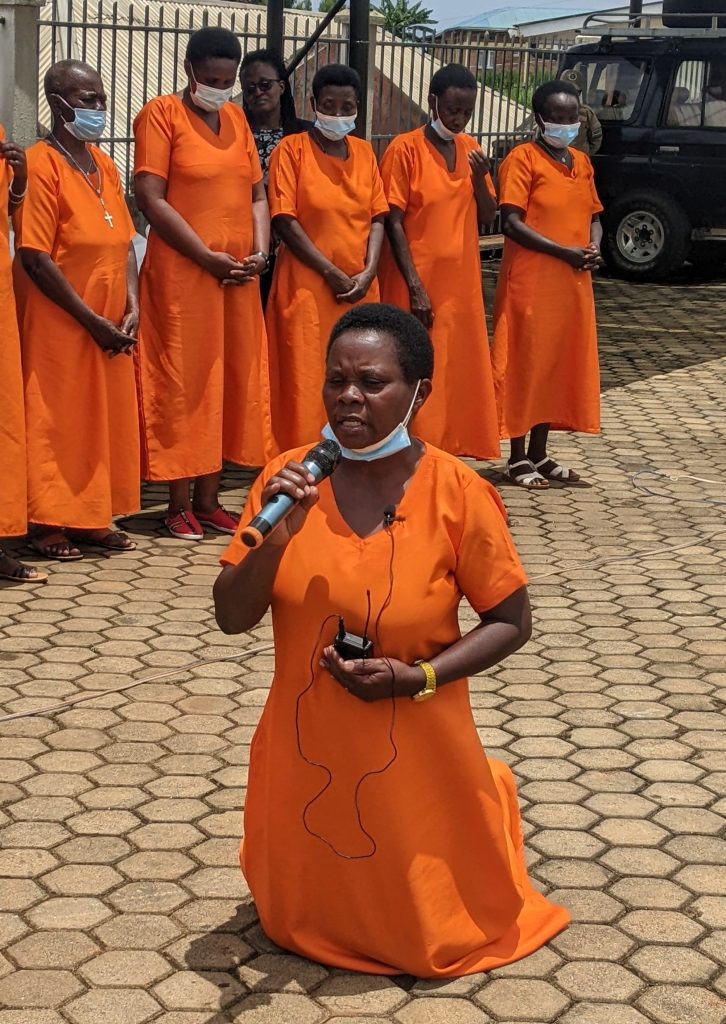
Laurent Havuganeza, Head of Ibuka in Kagano Sector, was among the family members whom Mukamushinzi was seeking forgiveness from.
They were given the floor to confirm if they forgave her or not.
“We forgive you since you have confessed to killing our relatives. We had no idea what your participation in 1994 was about,” noted Havuganeza, standing face-to-face with the convict.
“We will welcome you when you come back, once released from jail.”
Noella Musabyimana, another family member, added, “Don’t panic, we forgive you and welcome you back into the family.”
According to Margret Mahoro, Senior Programme Manager for Interpeace, organisation which initiated Societal Healing in the Nyamagabe women-only correctional facility in collaboration with DIDE Rwanda-Rwandan non-government organization working in peacebuilding, including Institutional capacity of correctional services andsocietal healing- the Genocide convicts who confessed publicly are “good ambassadors in prison until they finish their sentence as well as when they’ll come back in their respective communities.”
“Do not even listen to those people trying to pull you back, false news circulation in media reports and social media,” she added, highlighting that societal healing is a process that brings together genocide convicts with survivors or members of families whose beloved ones were killed in 1994 and is still encountering various challenges.
Some convicts have yet to open their hearts, she said.
Ibuka in Nyamasheke commended Genocide perpetrators for confessing in public as Marcelle Gasasira, head of the survivors’ body told the gathering.
“It is a testament that genocide happened, and we’re thankful that genocide survivors have forgiven the convicts, despite the hard times they went through,” he said.
Executive Secretary of Western Province, Florence Uwambajemariya, said that the convicts who have confessed before Genocide survivors is another big step, for they’ll help in finding Genocide remains still missing for a decent burial.
“Societal healing is a journey, and we thank both genocide survivors and convicts for this step. We have recommended the convicts be exemplary when they come back, as there is a lot of unknown information on the remains of genocide victims. We expect that after confession, they will show us their whereabouts,” she noted.
In the interim, it remains unclear why there are still some Genocide convicts who are not willing to seek forgiveness, as it was unveiled by ACP Jean Bosco Kabanda, the RCS Assistant Commissioner in charge of correction and inmates’ rights, during a similar event in Rwamagana District prison organized by Prison Fellowship working with RCS for the reconciliation journey.
“Those people who forgive you also live well with your families you left in society, but you had hidden the truth in your hearts and even your families know nothing. It is not clear how genocide convicts are yet to apologize despite efforts to teach them about reconciliation,” he said.
Official figures by RCS show that among the 7,000 Genocide convicts in Nsinda prison, only 121 have apologized.
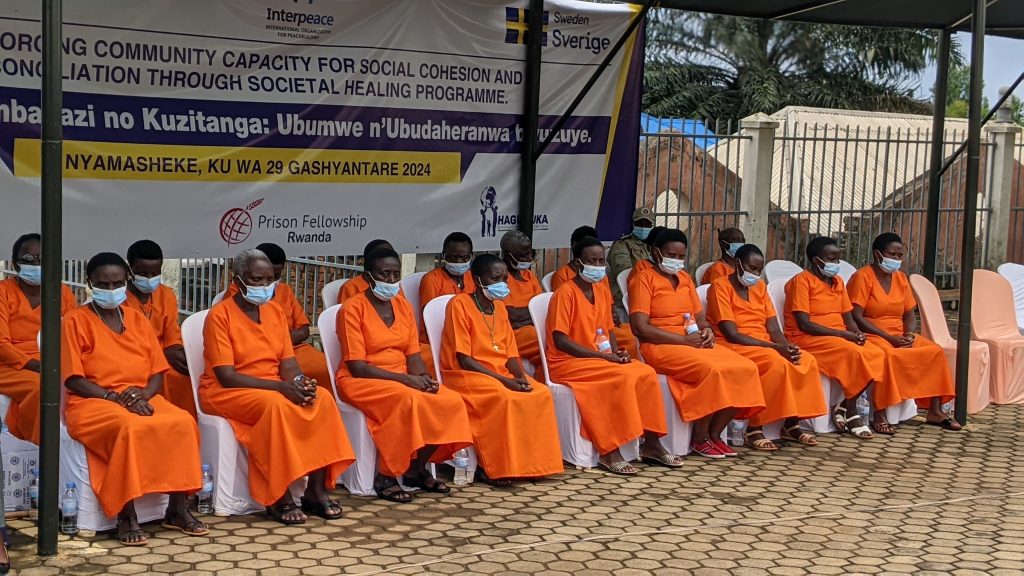
Over 22000 genocide convicts of the 1994 genocide against the Tutsi who are set to be reintegrated into society after serving their sentences, according to the Ministry of National Unity and Civic Engagement (MINUBUMWE).
The ministry stated that those convicted for 20 to 30 years will soon be released.
